Korean Cabbage Recipe
This Korean cabbage recipe is savory, buttery, and a little spicy, with crisp-tender bites you’ll want to make again. Grab the easy steps here!
Confession time: I used to think cabbage was the boring vegetable that lived in the back of the fridge until it got sad. Then I tossed it in a hot pan with a few pantry sauces and a spicy pepper, and my whole opinion flipped. Now I make this Korean cabbage recipe so often my family has stopped asking what’s for dinner.
It’s the kind of side dish that disappears before the main course even hits the table. Honestly, I’ve eaten it straight from the pan while standing at the stove. No regrets.
Table of Contents
Here’s the Deal With This Korean Cabbage Recipe
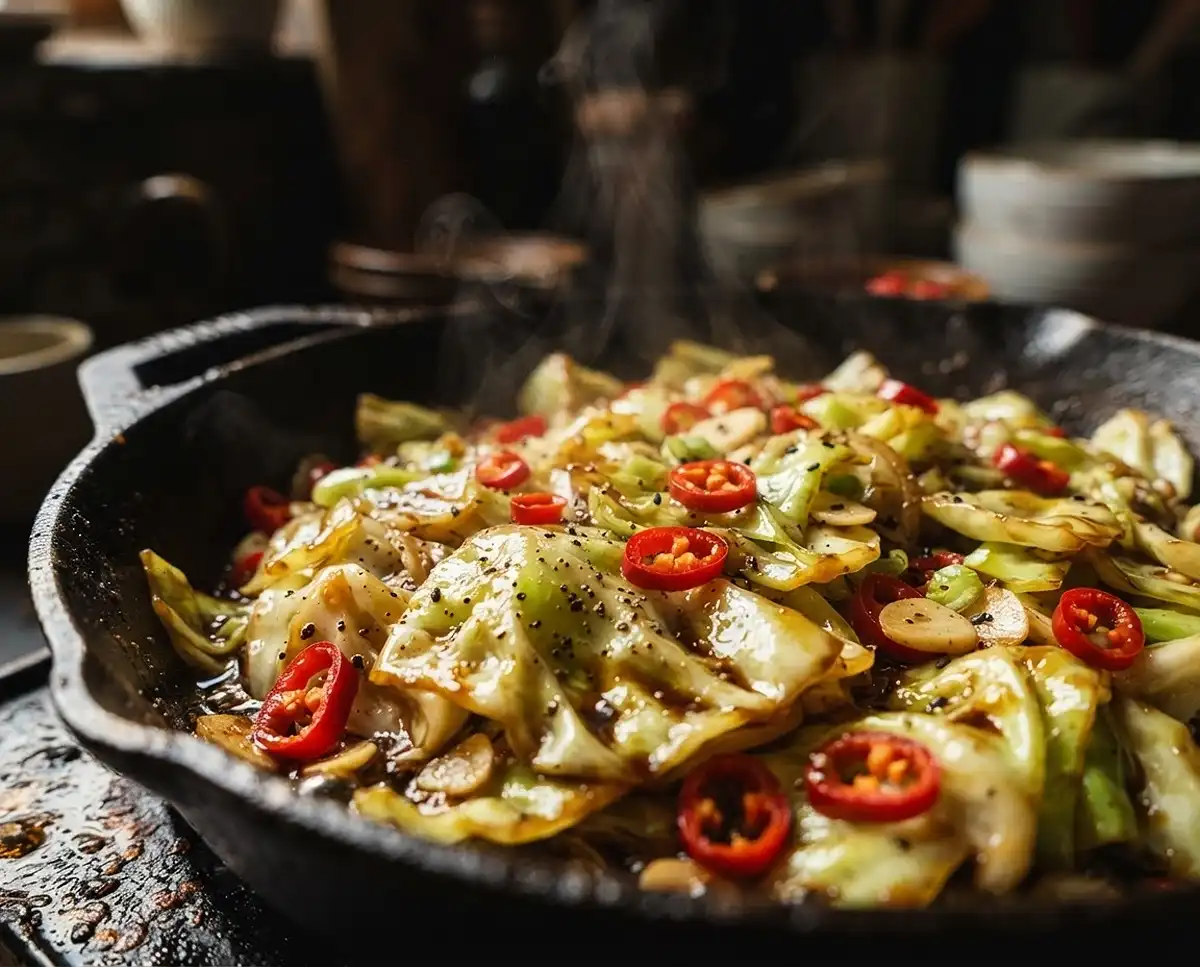
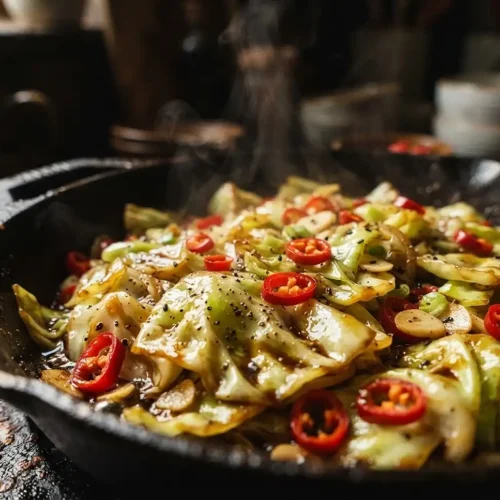
Let’s keep it simple. This Korean cabbage recipe is a quick pan-fry that turns plain cabbage into something glossy, salty, and a bit addictive. Think of it as Korean Stir Fried Cabbage with a lot of personality and almost no fuss.
The magic comes from a tiny trio: soy sauce, fish sauce, and a little butter. The soy brings savory depth, the fish sauce adds that funky umami punch, and the butter makes everything silky. Add a chopped spicy pepper and you’ve got heat that sneaks up on you in the best way.
Here’s why you’ll love it:
- It uses a short list of ingredients you probably already own.
- You control the texture, from crisp-tender to soft and jammy.
- It works as a side, a topping for rice, or a snack straight from the skillet.
- Cleanup is one pan. One. Pan.
Korean Stir Fried Cabbage
Equipment
- Large frying pan or skillet
- Knife
- Cutting board
- Spatula or tongs
- Airtight container
Ingredients
The Base
- ¼ head cabbage about 400 g; cut into large pieces
- oil a drizzle, for pan-frying
- 2 Tbsp water plus more as needed
The Heat
- 1 spicy pepper chopped; green or red chili
The Seasoning
- 1 tsp soy sauce
- 1 tsp fish sauce tuna fish sauce or any brand; swap for extra soy sauce if you want it vegetarian
- salt and black pepper to taste
The Finish
- ⅓ Tbsp butter about 5 g
Instructions
- Cut the cabbage into large, bite-sized pieces.
- Heat a large frying pan over medium heat and add a drizzle of oil. Add the cabbage, season with salt and black pepper, and stir occasionally for 2 to 3 minutes, until the edges soften slightly.
- Add 2 tablespoons of water so the cabbage doesn’t burn. If the pan looks dry, add a little more.
- Add the chopped spicy pepper and stir-fry for about 30 seconds.
- Add the soy sauce and fish sauce and toss to coat. Taste, and add salt only if it needs it.
- Add the butter and toss until it melts and the cabbage looks glossy.
- For crisp-tender cabbage, stir-fry for 1 to 2 more minutes. For softer cabbage, cook for 4 to 5 more minutes. Serve immediately.
Notes
Ingredients for Korean Stir Fried Cabbage
Nothing fancy here, and that’s the whole point. Grab a quarter of a head of cabbage, a spicy pepper, and a few bottles from your sauce shelf. Your grocery bill will thank you.
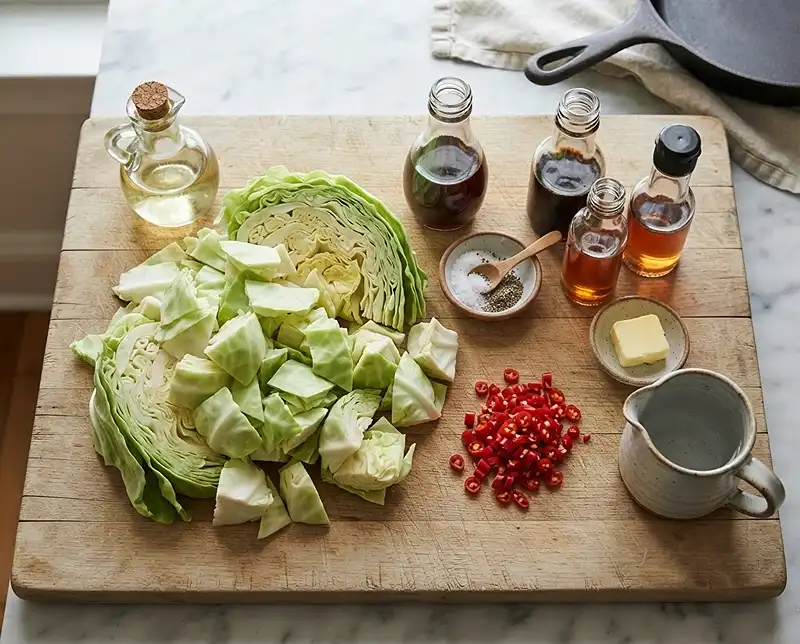
| Group | Ingredient | Amount |
|---|---|---|
| The Base | Cabbage, cut into large pieces | 1/4 head (about 400 g) |
| The Base | Oil for pan-frying | A drizzle |
| The Base | Water | 2 Tbsp, plus more as needed |
| The Heat | Spicy pepper, chopped | 1 |
| The Seasoning | Soy sauce | 1 tsp |
| The Seasoning | Fish sauce | 1 tsp |
| The Seasoning | Salt and black pepper | To taste |
| The Finish | Butter | 1/3 Tbsp (about 5 g) |
A Few Notes on the Key Players
Cabbage: Go for a regular green cabbage and cut it into big, bite-sized pieces. Don’t bother separating every leaf. The larger chunks keep their texture, so you get sweet, tender edges and a little crunch in the middle.
Fish sauce: The original calls for tuna fish sauce, which is lovely, but any brand will do. A little goes a long way, so don’t pour with a heavy hand. It smells bold in the bottle and mellows beautifully in the pan.
Spicy pepper: Use whatever you like. A green chili keeps things fresh, while a red one adds a sweeter kick. Want a Vegetarian version? Swap the fish sauce for a splash of extra soy sauce or a vegetarian umami sauce.
If you love Korean flavors, you’ll also like the funky tang of traditional Korean kimchi, which is basically fermented cabbage’s cooler, spicier cousin.
How to Make This Korean Cabbage Recipe
The whole thing comes together fast, so read through the steps before you turn on the burner. Once the pan is hot, you’ll be moving. Have your sauces and pepper ready, and keep a spoon nearby for tasting.
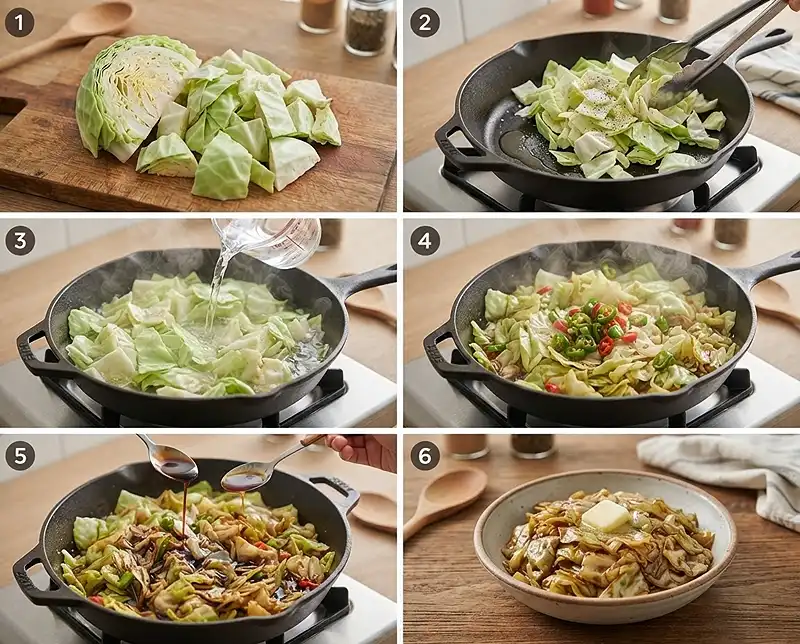
Step 1: Prep the Cabbage
Cut your cabbage into large, bite-sized pieces. Resist the urge to shred it like you’re making Slaw. We want chunky, craggy pieces that hold their own in the pan.
Pull out any tough core bits if you like, but don’t stress about it. A few thicker pieces just mean a little extra chew, and that’s a good thing.
Step 2: Stir-Fry the Cabbage
Heat a large frying pan over medium heat and add a drizzle of oil. Toss in the cabbage and sprinkle with salt and black pepper. You’ll hear a happy sizzle right away, and the kitchen will start to smell sweet and toasty.
Stir occasionally for 2 to 3 minutes, until the edges look lightly softened. Trust me, don’t crowd the pan. A big skillet gives the cabbage room to sear instead of steam into sadness.
Step 3: Add the Water
Pour in 2 tablespoons of water. This keeps the cabbage from burning and lets it steam just a bit, so it turns tender without going limp.
If the pan looks dry, add a splash more. That said, cabbage releases its own moisture as it cooks, so go easy. You want a gentle steam, not a swimming pool.
Step 4: Add the Pepper
Toss in your chopped spicy pepper and stir-fry for about 30 seconds. Any longer and the pepper starts to scorch, which tastes bitter and sad.
This is the moment the aroma kicks in. It smells so good your neighbors might show up with a fork.
Step 5: Add the Sauces
Drizzle in the soy sauce and fish sauce, then gently toss so every piece gets coated. Taste a piece and adjust the salt if needed. Remember, the sauces are already salty, so be patient before adding more.
Step 6: Finish With Butter
Add the butter and toss until it melts and the cabbage turns glossy. This is the little move that takes the dish from “fine” to “wait, why is this so good?”
Step 7: Cook to Your Preferred Texture
Here’s where you get to be the boss of your cabbage. For crisp-tender cabbage, stir-fry 1 to 2 more minutes. For softer, silkier cabbage, keep cooking 4 to 5 more minutes.
Serve it immediately while it’s hot. If you have leftovers, pop them in an airtight container for the fridge (more on that below).

Pro Tips, Variations, and Troubleshooting for Your Korean Cabbage Recipe
This dish is forgiving, but a few small tricks make it even better. Think of these as the little whispers I’d text you while you’re cooking.
Pro Tips
Pro tip: Keep the heat at medium. Too hot and the cabbage chars before it softens. Too low and it turns watery.
Use a wide pan so the cabbage sears instead of piling up. Add the butter last, always. If it goes in early, it can brown too fast and taste heavy.
Taste before you add extra salt. Between the soy sauce and fish sauce, you may not need much more.
Fun Variations
Make it a meal: Pile it over steamed rice and top with a fried egg. The runny yolk mixes with the buttery sauce and, oh my goodness, it’s dinner.
Turn it into a Stir fry Soup: Add a cup or two of broth after the sauces and simmer for a few minutes. You’ll get a cozy, brothy bowl that tastes like comfort.
Go Vegetarian: Skip the fish sauce and use extra soy sauce or a mushroom-based seasoning. You’ll lose a little funk, but it’s still seriously tasty.
Add protein: Toss in sliced Korean-style beef or tofu. If you love hearty flavors, serve it next to a pot of Korean beef stew for a cozy spread.
Cool it down: Let leftovers chill and pile them onto a Salad. It’s a surprisingly good Coleslaw salad swap when you want something warm-meets-cold and a little tangy.
Troubleshooting
Cabbage turned watery? Your pan was probably too crowded or the heat too low. Next time, cook in two batches or use a bigger skillet.
Burned on the bottom? Add another splash of water and lower the heat. Scrape up the brown bits gently, because they’re packed with flavor.
Too salty? Squeeze in a bit of lemon juice or add a small handful of fresh cabbage to balance it out. A splash of water also helps.
Not spicy enough? Add a pinch of chili flakes at the end. Easy fix, big payoff.
What to Serve With It
This side dish plays well with lots of mains. If you’re in a cabbage mood, try pairing it with a pot of Hungarian stuffed cabbage, a cozy cousin to classic Cabbage rolls.
For a lighter, brothier option, try the Jamaican steamed cabbage recipe alongside it. Two cabbage dishes, two totally different vibes.
Craving something saucy for the main event? These teriyaki turkey meatball bento bowls are a perfect partner. And when you want something richer and cheesier, my baked ravioli alfredo casserole loves a crisp, savory side to cut through all that creaminess.
Storing Your Korean Cabbage Recipe Leftovers
Leftovers are totally doable, though this dish is best fresh. The texture softens as it sits, which some people actually prefer. Here’s how to keep it tasting good.
| Method | How To | How Long |
|---|---|---|
| Refrigerator | Cool quickly, then store in an airtight container | 3 to 4 days for best quality |
| Room temperature | Not recommended; refrigerate within 2 hours of cooking | 2 hours at most |
For safe storage, the USDA suggests getting leftovers into the fridge within two hours. You can read their full guidance on leftovers and food safety to be sure.
Reheating Tips
Reheat in a skillet over medium heat with a tiny splash of water. Stir until hot and steaming. This revives the texture far better than the microwave.
If you do use the microwave, cover the dish and heat in short bursts, stirring in between. Make sure leftovers are heated through before you dig in.
No-Waste Ideas
Don’t let those last few forkfuls go to waste. They’re secretly great ingredients for round two.
- Stuff leftovers into an omelet or a quesadilla for a savory breakfast.
- Stir them into fried rice for an instant flavor boost.
- Chop them up and add to ramen or a simple noodle bowl.
- Tuck them into a sandwich with a little extra hot sauce.
Frequently Asked Questions
What kind of cabbage works best for this Korean cabbage recipe?
Regular green cabbage works great and holds its texture. Napa cabbage also works, but it cooks faster and turns softer, so shorten the cooking time.
Can I make Korean stir fried cabbage vegetarian?
Yes. Skip the fish sauce and add extra soy sauce or a vegetarian umami seasoning. The flavor will be slightly less funky but still delicious.
Can I use this as a Slaw or Salad topping?
Absolutely. Let it cool and pile it onto rice bowls or use it as a warm topping on a salad. It makes a fun twist on classic coleslaw salad.
How spicy is this dish?
It depends on your pepper. Use a milder green chili for gentle heat or a hotter one if you want a kick. You can always add chili flakes at the end.
How long do leftovers last in the fridge?
Store them in an airtight container and enjoy within 3 to 4 days for best quality. Reheat in a skillet with a splash of water.
Give This Korean Cabbage Recipe a Try
So, here’s my friendly nudge: make this Korean cabbage recipe tonight. It takes humble cabbage and turns it into something you’ll crave, and it barely asks anything of you.
Loved it? Save it on Pinterest so you can find it next time the cabbage in your fridge starts giving you sad eyes. Then come back and tell me how it turned out in the comments. I read every single one, and I’m always hungry for your twists and tips!