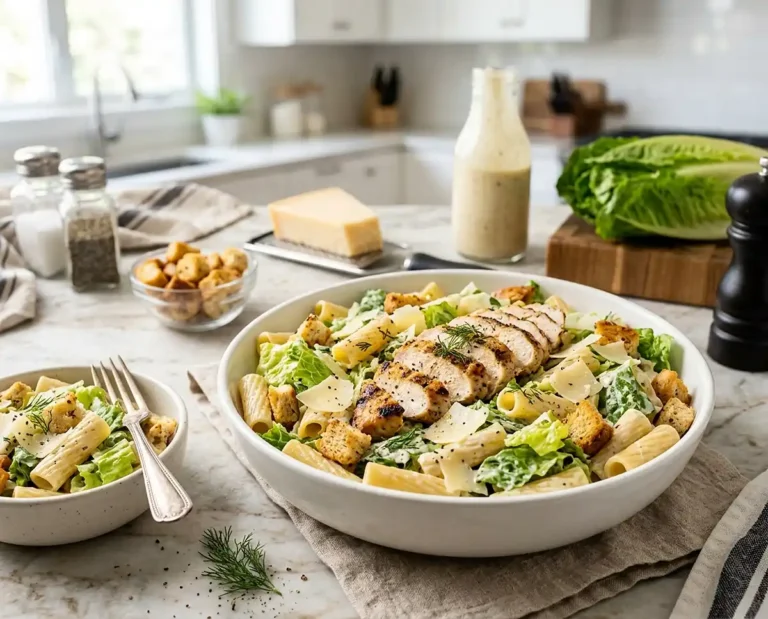
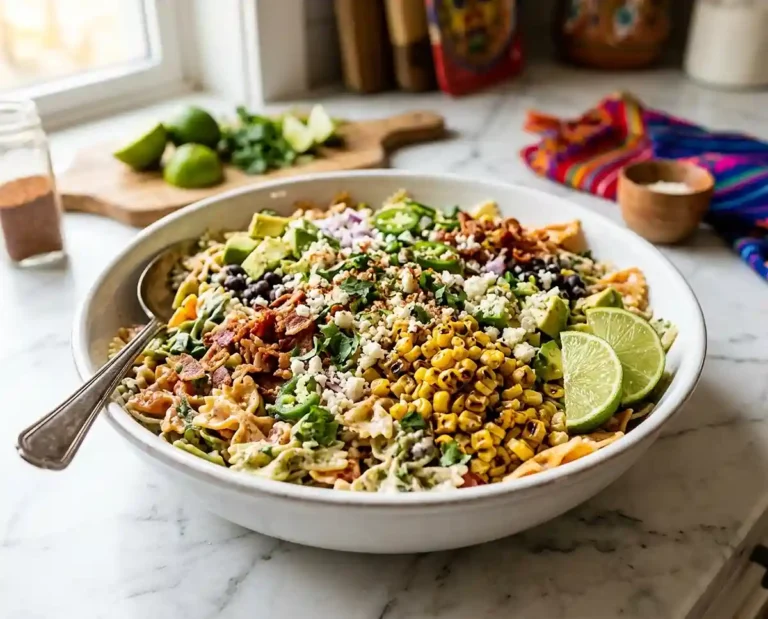
Fresh Summer Produce Salad Recipes
Discover the best fresh summer produce salad recipes — 10 tested ideas from light and crispy to hearty and satisfying, with expert tips for every cook.
Fresh summer produce salad recipes are dishes built around peak-season fruits and vegetables — ingredients so good that even a simple combination becomes the most memorable thing on the table.
This guide covers 10 tested recipes ranging from a quick creamy cucumber salad to a grilled chicken strawberry avocado showstopper, with techniques for beginner cooks and seasoned home chefs alike.
You’ll find everything from easy healthy lunches you can throw together in 15 minutes to impressive picnic side salads that travel beautifully, all tested and explained at expert depth.Here’s everything you need to master this category completely.
I’ve been obsessed with fresh summer produce salad recipes since I realized that summer’s best flavors don’t need cooking — they need restraint. The single biggest mistake most people make? They dress their salads too early and wonder why everything tastes soggy and sad by the time it hits the table. Get the timing right, and everything else falls into place.
Table of Contents
Everything You Need to Know About Summer Produce Salads
Summer produce salads cover more ground than most people expect — you’ve got cooling, crisp builds like cucumber and tomato, smoky grilled options with corn or peaches, and hearty protein-packed versions with chickpeas or grilled chicken. Mastering this category means you’ll have something for every occasion, from a Tuesday lunch to a backyard cookout.
The range of approaches in this collection reflects that: some are pantry-friendly weeknight staples, others are the kind of thing people request every single summer. The real benefit of learning these systematically is understanding which flavor pairings work and why — so you can riff freely instead of always following a script.
Key Ingredients That Make Summer Produce Salads Work
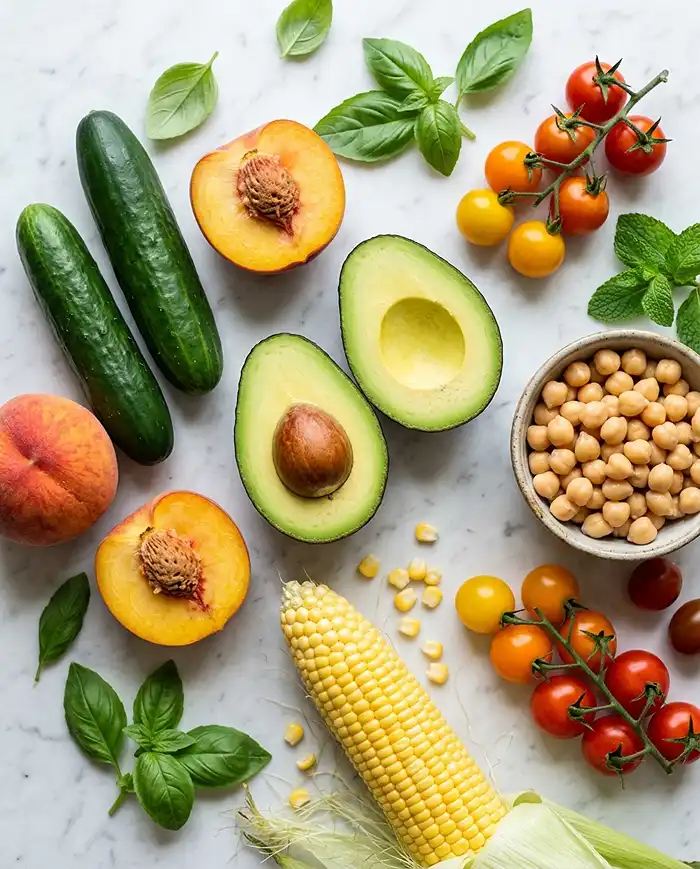
The freshness of your produce is the entire game here. For cucumbers, you want firm, unwaxed varieties — Persian or English cucumbers have thinner skins and fewer seeds, which means better texture without peeling.
Conventional cucumbers often have a thick waxy coating that traps bitterness; if that’s all you can find, peel them completely. And smell your produce at the market. A cucumber that smells like a cucumber before you cut it is going to taste ten times better in your bowl.
Avocados deserve a whole conversation. The difference between a perfectly ripe avocado and one that’s two days past its prime is enormous in a salad — mushy avocado turns everything around it into guacamole, which isn’t what you want.
For best results, buy them slightly underripe and let them ripen on the counter. A ripe avocado gives slightly under thumb pressure at the stem end, not the belly. Cut right before serving whenever possible. I’ve tested adding them early to meal-prepped salads, and it’s never been worth it.
Corn and stone fruits like peaches need to be fresh and in season, full stop. Frozen corn won’t caramelize properly on a grill. Out-of-season peaches won’t hold their shape or give you that sweet-acid contrast that makes a grilled peach salad genuinely stunning. The key to grilling these ingredients is a very hot, clean grill — low heat steams instead of chars, and you lose the caramelized depth that makes the whole dish work.
For tomatoes, watermelon, and other high-water produce: salt them separately and let them drain for 10 to 15 minutes before adding to the salad bowl. What nobody tells you is that skipping this step is why your salad dressing gets watered down within minutes. That extra liquid dilutes everything. Drain it off, and your dressing clings instead of pooling at the bottom.
How to Master Summer Produce Salads + All My Recipes
Core Technique
- Select produce at peak ripeness. Smell it, feel it, look for vibrant color. If it doesn’t look exciting in your hand, it won’t taste exciting in the bowl.
- Prep high-water ingredients first. Tomatoes, cucumbers, and watermelon release liquid fast. Salt them lightly, let them drain in a colander while you prep everything else.
- Build layers by texture. Start with your sturdiest ingredients — beans, grains, grilled proteins — then add tender produce, then delicate herbs and cheese last.
- Make your dressing separately. Whisk acid into fat off to the side so you can taste and adjust before it touches your salad.
- Dress at the last moment. Toss and serve within 5 minutes for the best texture. If it’s traveling somewhere, pack the dressing in a jar.
Pro Tip: The most common mistake with summer produce salads is under-seasoning. Produce needs salt to express its full flavor — a small pinch directly on the vegetables before they hit the bowl makes a bigger difference than any fancy ingredient you could add.
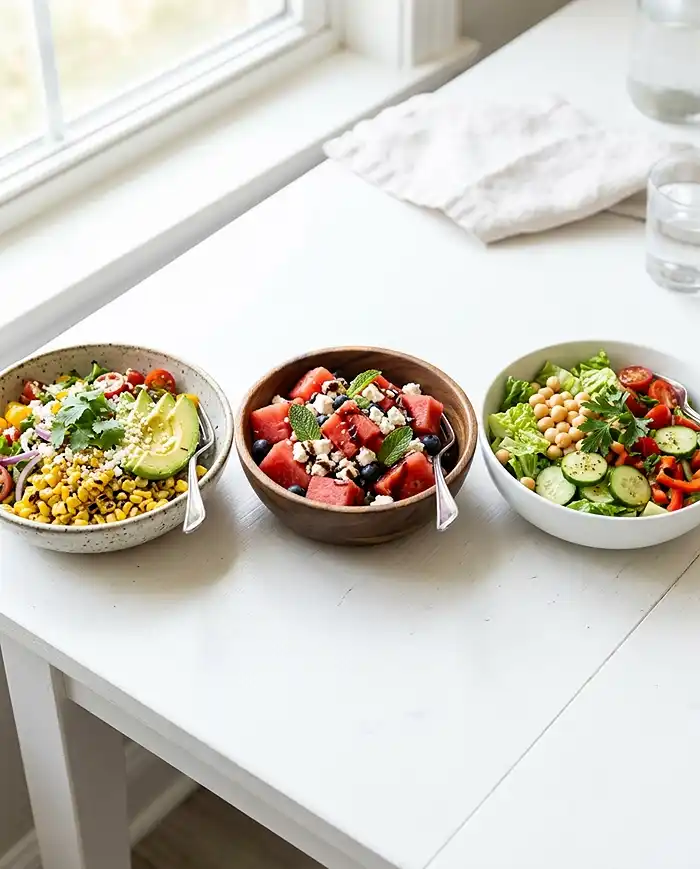
The Recipe Collection
Cucumber Avocado Chickpea Salad
This salad delivers a satisfying combination of cool crunch, buttery richness, and hearty protein — the kind of bowl that actually keeps you full. It’s the perfect easy healthy lunch option for anyone who wants something fresh without spending more than 15 minutes in the kitchen. The full post walks you through getting the avocado texture exactly right so it stays distinct instead of turning to mush.
Full recipe: Cucumber Avocado Chickpea Salad

Grilled Peach Burrata Salad
Few summer salads land with as much drama as this one — the sweet char of warm grilled peaches against cool, creamy burrata is a pairing that genuinely stops people mid-bite. It’s the recipe you bring out for dinner parties or slow summer evenings when you want something special without a lot of fuss. Click through for the exact grill technique that gets the peaches caramelized without turning them soft.
Full recipe: Grilled Peach Burrata Salad

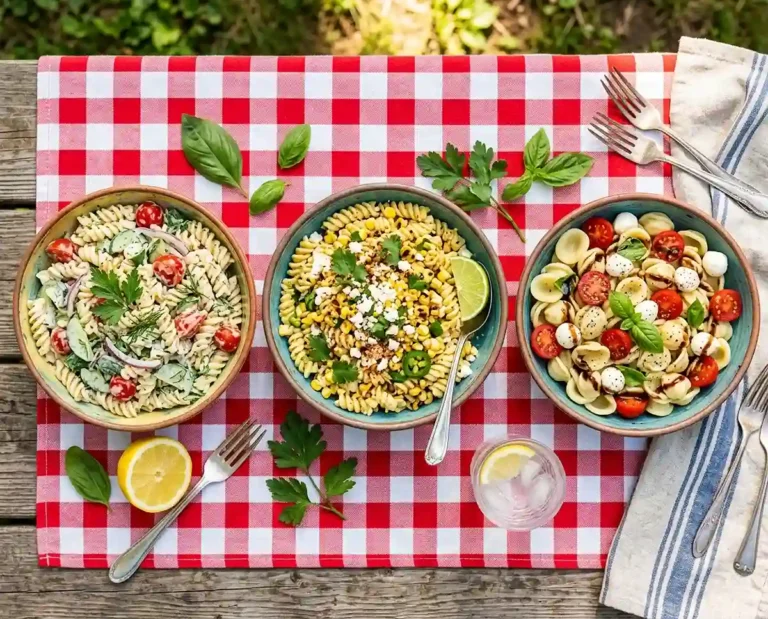
Watermelon Feta Mint Salad
This is the definition of a picnic side salad — bright, refreshing, and built for hot days when nobody wants anything heavy. The salty-sweet contrast between watermelon and feta is one of those combinations that sounds simple until you taste it properly executed. The post explains how to cut and salt the watermelon so it holds its shape and doesn’t flood your platter with juice.
Full recipe: Watermelon Feta Mint Salad

Grilled Corn Avocado Salad
Grilled corn has a smoky, slightly caramelized flavor that raw corn just can’t compete with, and this salad is built around that contrast. It works equally well as a standalone side or the base for a healthy dinner bowl with added protein. The full recipe includes the exact grill temperature and timing to get consistent char without drying the kernels out.
Full recipe: Grilled Corn Avocado Salad

Cucumber Tomato Chickpea Salad
If the cucumber avocado chickpea salad is the creamy version, this is the bright, tangy counterpart — tomatoes add acidity and juiciness that shifts the whole flavor profile. It’s one of the most versatile seasonal vegetables recipes in this collection because it works as a side, a topping, or a quick standalone lunch. The post covers the exact salting and draining technique that keeps the dressing from getting watered down.
Full recipe: Cucumber Tomato Chickpea Salad

Creamy Cucumber Salad
This is the comfort food entry of the collection — cool, tangy, and a little indulgent without being heavy. It scratches that craving for something rich and satisfying on a hot day, and it pairs with almost anything coming off the grill. Head to the full post to find the dressing ratio that gives you that silky, coating consistency without going heavy.
Full recipe: Creamy Cucumber Salad

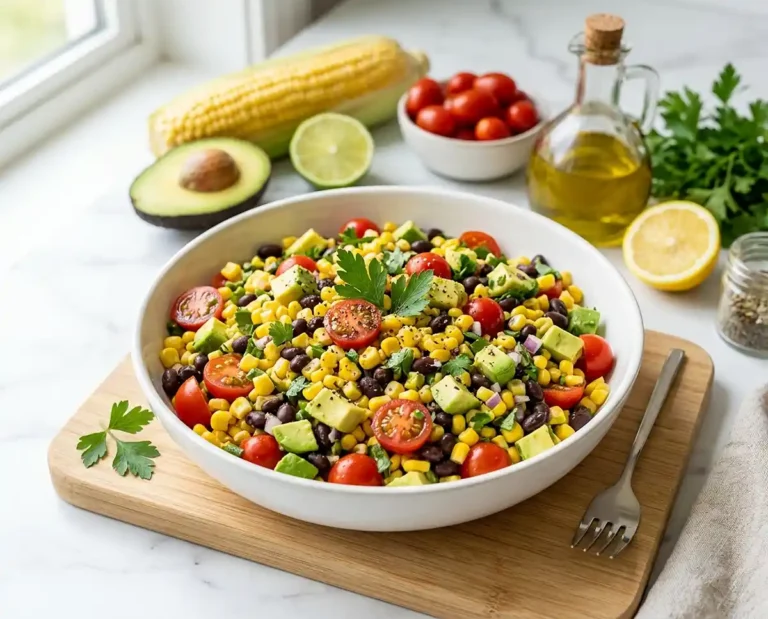
Avocado Corn Black Bean Salad
Think of this as the heartiest, most meal-prep-friendly recipe in the bunch — black beans and corn together give it a satisfying density that holds up beautifully in the fridge for days. It’s the one I reach for when I need to feed a crowd or pack something for the week without babysitting it. The full post explains how to layer and store it so the avocado stays green longer than you’d expect.
Full recipe: Avocado Corn Black Bean Salad

Grilled Chicken Strawberry Avocado Salad
This is the complete meal entry — grilled chicken turns a fruit-forward salad into something genuinely filling, and the strawberry-avocado combination is sweeter and more complex than it sounds. It’s the recipe to reach for when you want something that feels restaurant-quality but comes together on a weeknight. The post details the marinade and resting technique that keeps the chicken juicy instead of dry and rubbery.
Full recipe: Grilled Chicken Strawberry Avocado Salad

Broccoli Crunch Salad
Real talk: this is the sleeper hit of the collection. Broccoli salad has a reputation problem, but this version wins over skeptics consistently because the texture contrast is genuinely addictive. It’s also the most make-ahead-friendly option here — it actually improves after an hour in the fridge. Click through to see the crunch elements and dressing that make it work.
Full recipe: Broccoli Crunch Salad

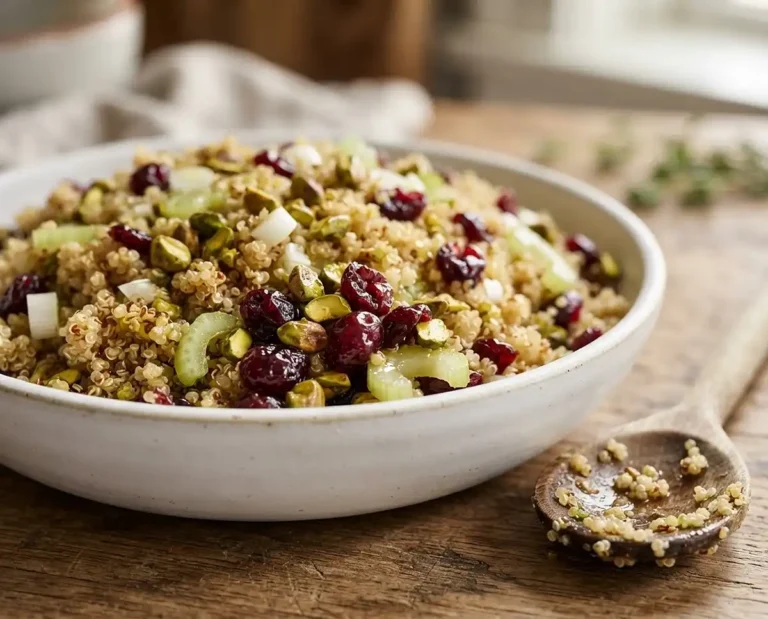
Chopped Italian Quinoa Salad
This one brings bold savory flavor in a way the rest of the collection doesn’t — Italian-inspired ingredients layered over protein-rich quinoa makes it simultaneously the most filling and the most globally influenced recipe here. It’s ideal for meal prep or as a substantial picnic side salad that holds up for hours. The full post walks through the chopping technique and quinoa prep that gives the salad its distinctive texture rather than a mushy grain bowl.
Full recipe: Chopped Italian Quinoa Salad

Honestly, this is a well-rounded collection where every recipe has a distinct identity — nothing feels redundant. If you’re new here, start with the Cucumber Avocado Chickpea Salad because it’s the most forgiving and teaches you the core technique. From there, the Grilled Corn Avocado Salad is the natural next step if you want to get the grill involved.
Expert Tips & Variations
Pro Tips for Success
Season in layers, not just at the end. The key to a salad that tastes fully developed is adding small amounts of salt and acid at each stage — the produce, the dressing, and a final pinch before serving. Most home cooks salt only the dressing and wonder why the vegetables taste flat even when the dressing is great.
For best results, use a wide, shallow bowl instead of a deep one. Surface area matters in fresh summer produce salad recipes — ingredients pile on top of each other in a deep bowl, which means uneven dressing distribution and crushed delicate produce at the bottom. A wide bowl lets you toss without breaking anything and dress every piece evenly.
The most common mistake is using oil-heavy dressings on delicate summer produce — instead, use acid-forward dressings with just enough oil to carry the flavor. Cucumbers, watermelon, and stone fruits already have enough moisture and sweetness. They need brightness, not weight.
Fresh summer produce salads work best when ingredients are close to room temperature at the point of assembly. Straight-from-the-fridge produce is less aromatic and less flavorful — cold suppresses volatile compounds. Pull your vegetables out 15 minutes before you assemble.
Herbs go in last and are never optional. Fresh mint, basil, and cilantro are flavor workhorses in this category. I’ve tested these recipes with and without fresh herbs across the board — the difference is significant every single time.
Smart Variations Across the Collection
Quick Version: Most recipes here already move fast, but for a genuine 10-minute build, skip any grilled components and use canned chickpeas or black beans rinsed straight from the can. The texture is different but still solid, and the flavor holds up.
Vegan Version: The main swap across this collection is replacing dairy — burrata, feta, and creamy dressings can all be replaced with good olive oil, nutritional yeast for savory depth, or a tahini-lemon dressing that adds creaminess without any animal products. Most recipes convert cleanly.
Low-Carb Version: The grain-based recipes (quinoa salad, corn-forward builds) can shift lower-carb by reducing or replacing grains with extra leafy greens, shredded cabbage, or additional cucumber. The flavor profiles stay intact because the dressings and produce do the heavy lifting.
Troubleshooting Common Problems
Problem: The salad is watery within minutes of dressing. Solution: Salt high-moisture produce (cucumber, tomato, watermelon) and let it drain in a colander for 10 to 15 minutes before building the salad. Pat dry if needed. This single step eliminates 90% of watery salad problems.
Problem: The avocado turned brown before serving. Solution: Toss cut avocado immediately in a small amount of lemon or lime juice, which slows oxidation. Add it to the salad last, right before serving — it can’t be prepped more than 20 minutes ahead without losing color.
Problem: The dressing tastes sharp and unbalanced. Solution: Acid needs fat and a touch of sweetness to round out. If your dressing tastes too vinegary, add a small drizzle of honey or a pinch of sugar, then whisk in more olive oil a few drops at a time until it smooths out. Taste as you go.
How to Store and Reheat Summer Produce Salads
| Storage Method | Duration | Best Practice |
|---|---|---|
| Room Temperature | Up to 1 hour | Keep covered and out of direct sun; beyond 1 hour, food safety becomes a concern with produce and dairy |
| Refrigerator | 2 to 4 days | Store undressed whenever possible; keep avocado-heavy salads tightly covered with plastic wrap pressed directly against the surface |
| Freezer | Not recommended | Fresh produce salads don’t freeze well — the water content in cucumbers, tomatoes, and watermelon breaks down cell walls and turns everything mushy on thaw |
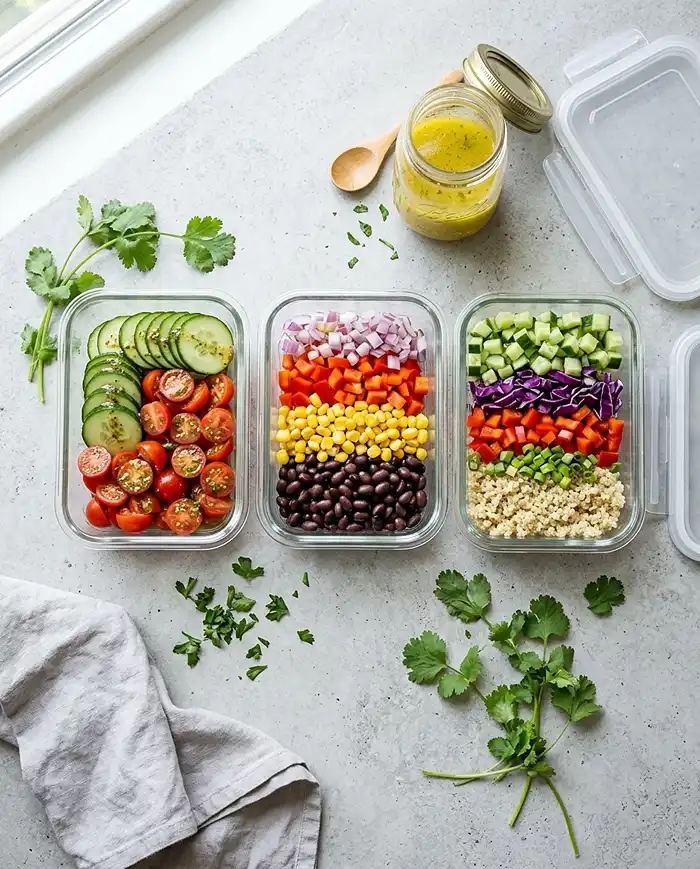
Most of these salads don’t need reheating — they’re designed to be served cold or at room temperature. The exception is anything with grilled chicken or quinoa, which can be gently warmed in a skillet over medium-low heat. Add a splash of water or broth to prevent sticking, and pull it off the heat before it’s fully hot so residual warmth finishes the job without overcooking.
Leftovers work especially well as toppings for grain bowls, stuffed into pitas, or layered over leafy greens to stretch a smaller portion into a full meal. The broccoli crunch salad and the Italian quinoa salad are both genuinely better the next day once the dressing has had time to penetrate everything.
Fresh Summer Produce Salad Recipes FAQs
What are fresh summer produce salad recipes?
Fresh summer produce salad recipes are dishes built primarily around peak-season fruits and vegetables — cucumbers, tomatoes, corn, stone fruits, watermelon, and fresh herbs — that are minimally processed to highlight natural flavor and texture. They’re distinct from year-round salads because the ingredient quality depends entirely on the season. Most come together without cooking, or with minimal heat like grilling or roasting.
Which salad in this collection should I make first?
For most cooks, the Cucumber Avocado Chickpea Salad is the ideal starting point — it’s forgiving, requires no special equipment, and teaches the core technique of layering textures and dressing at the right moment. If you have a grill and want something more impressive, the Grilled Peach Burrata Salad is the recipe that consistently gets the most comments. For meal prep specifically, start with the Avocado Corn Black Bean Salad because it holds the best over several days.
How do you keep summer salads from getting soggy?
The key to avoiding soggy summer salads is managing moisture at every step. Salt high-water produce like cucumbers, tomatoes, and watermelon before assembling and let them drain for 10 to 15 minutes. Always dress the salad right before serving rather than in advance. Store undressed portions separately if you’re making ahead, and keep avocado wrapped tightly to prevent oxidation.
Why does my salad taste flat even when I follow the recipe?
Under-seasoning is the most common culprit. Produce needs direct salt — not just salted dressing — to fully express its flavor. Season your vegetables with a small pinch of salt before they go into the bowl, taste your dressing independently before adding it, and always do a final seasoning check right before serving. Temperature is also a factor: cold produce is less flavorful, so pull refrigerated ingredients out 10 to 15 minutes before assembling.
Can I make these salads ahead of time?
Most of these salads are best assembled fresh, but several components can be prepped in advance. Chop and drain produce the night before, cook grains and proteins ahead, and make dressings up to 3 days in advance stored in a sealed jar. Assemble within an hour of serving, adding avocado and fresh herbs last. The Broccoli Crunch Salad and Chopped Italian Quinoa Salad are the best candidates for full make-ahead prep since they hold up well dressed.
Are these salads gluten-free or vegan?
Most recipes in this collection are naturally gluten-free — produce, beans, and grains like quinoa don’t contain gluten. Always check any packaged ingredients like dressings or add-ins for hidden gluten sources. For vegan adaptations, swap burrata and feta for plant-based alternatives or simply omit them and increase olive oil and lemon for richness and brightness. The Cucumber Tomato Chickpea Salad, Avocado Corn Black Bean Salad, and Watermelon Feta Mint Salad (minus the feta) are the easiest fully vegan options.
Ten recipes, one seriously good summer. I’m honestly proud of how well this collection covers every mood and occasion — from lazy lunches to cookout showstoppers. Save this page on Pinterest so it’s there every time you’re staring at a pile of summer produce and wondering what to make. And drop a comment below — I want to know which recipe you’re making first. Seriously. Tell me everything.
10 tested fresh summer produce salad recipes from creamy cucumber to grilled peach burrata — cool, crisp, and built for peak-season flavor. Save this for your entire summer.