Brisket Recipes
Six tested brisket recipes and one pitmaster’s honest take on smokers, ovens, and the family secrets that actually work. Grab a notebook, this one’s worth saving.
Brisket recipes are methods for slow-cooking beef brisket, a tough, well-worked cut from the cow’s chest, until low and extended heat breaks down its connective tissue into something tender.
This post covers 6 tested recipes ranging from a five-ingredient onion soup braise to a competition-style Myron Mixon method, with techniques for weeknight cooks and backyard pitmasters chasing their first blue ribbon.
You’ll find everything from a quick Lipton onion soup brisket for a busy Tuesday to a full Traeger-smoked brisket flat for weekend company, all tested and explained at expert depth. Here’s everything you need to master this category completely.
I’ve cooked brisket recipes almost every weekend for the better part of eight years, and the lesson that took me way too long to learn is this: the stall isn’t a problem, it’s the collagen doing its job. My first competition brisket came out rubbery because I panicked and pulled it at 190°F instead of trusting the probe. That single mistake is basically why this guide exists.
Table of Contents
Everything You Need to Know About Brisket
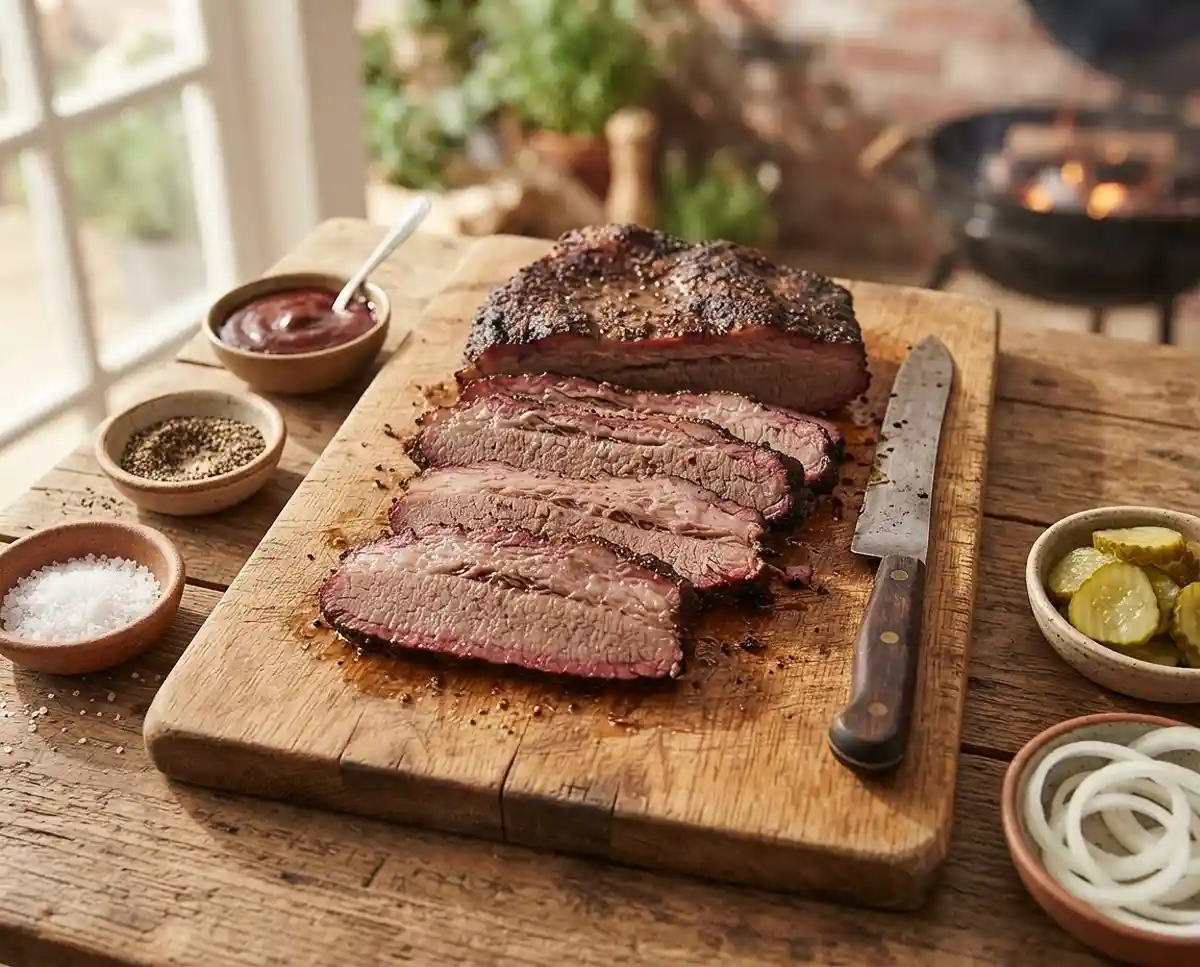
Brisket recipes stretch across nearly every cooking method you already own, smoker, oven, slow cooker, even a Dutch oven on the stovetop, which is what makes this cut worth learning properly instead of just following one recipe blindly.
Once you understand how connective tissue breaks down over time and heat, you can move between a Traeger, a gas grill, or a regular kitchen oven without starting from zero.
This collection ranges from five-ingredient braises to full competition-style methods, so there’s an entry point whether you’ve got twenty minutes of prep or a twenty-hour cook ahead of you. Learn the technique once, and every brisket recipe you try after this gets noticeably easier.
Key Ingredients That Make Brisket Work
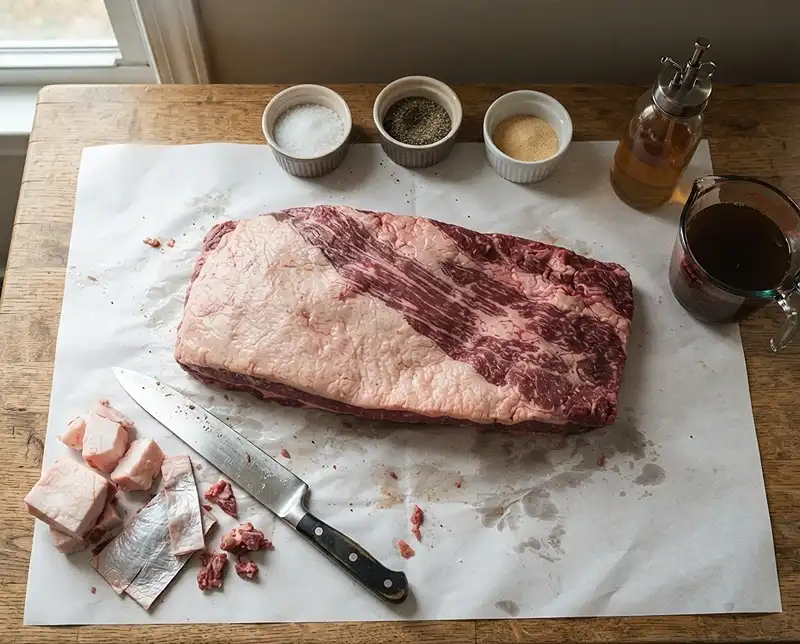
Everything starts with the cut itself. A whole packer brisket includes both the flat (leaner, easier to slice) and the point (fattier, better for chopped burnt ends), and knowing which one a recipe calls for changes your cook time, your slicing plan, and honestly your whole afternoon.
Fat matters more than most home cooks expect. You want a fat cap with even marbling running through the meat itself, not just a thick outer layer, because intramuscular fat is what keeps a long-cooked brisket from drying out. A common mistake is trimming too aggressively before the cook. Leave a quarter-inch of fat cap on top and let it render slowly instead of stripping it down to bare muscle.
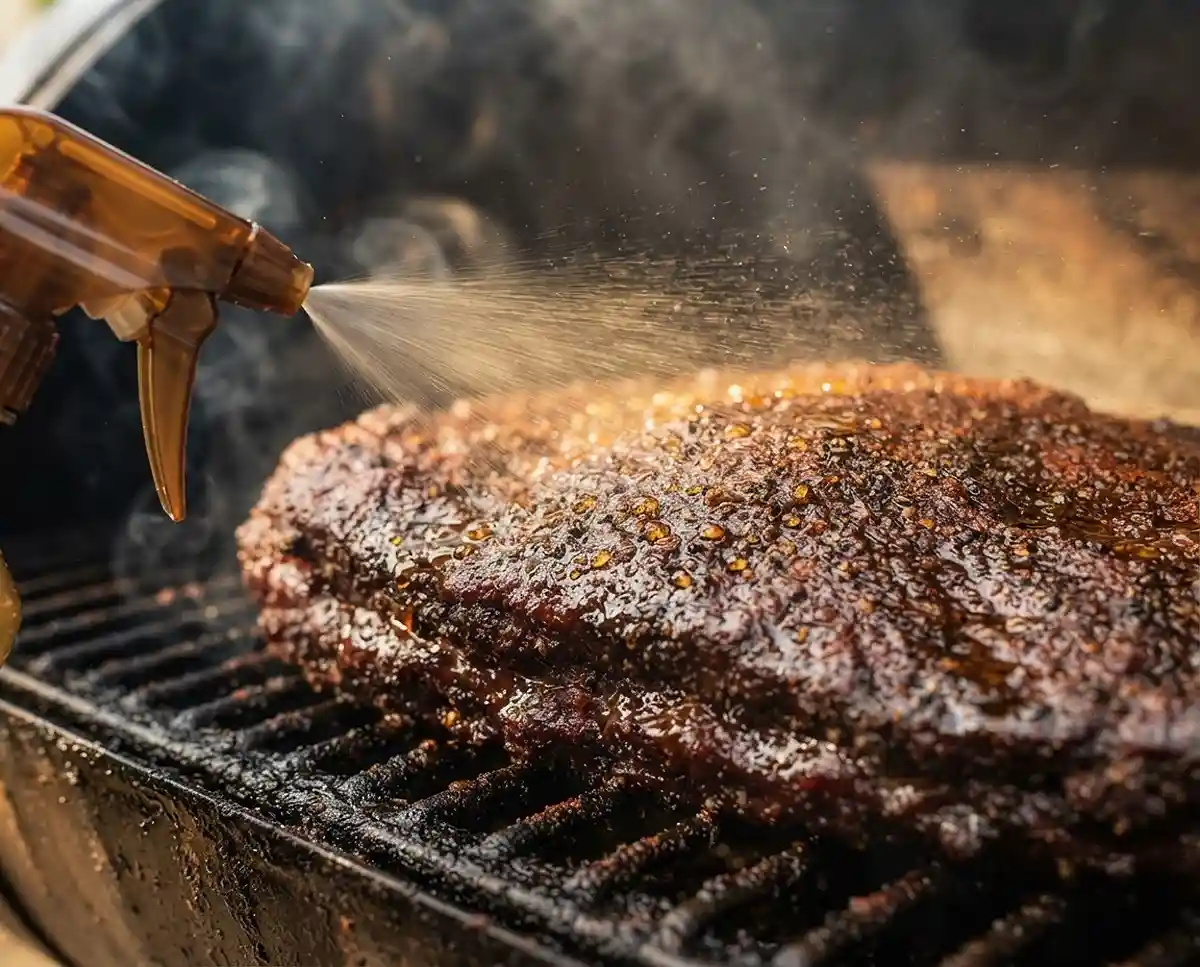
Seasoning stays simple in most traditional approaches, usually just kosher salt and coarse black pepper, sometimes with garlic or a brisket spritz added during the cook to keep the bark from drying out under low, indirect heat. Where recipes diverge is in that spritz: apple cider vinegar, beef broth, and even black coffee all show up as options depending on the flavor profile you’re chasing.
My sourcing tip after years of buying from grocery chains and small butchers alike: ask your butcher for a USDA Choice or Prime packer with a flexible flat. If the brisket bends easily in the middle when you lift one end, the marbling is doing its job before it ever hits heat.
How to Master Brisket + All My Recipes
The technique below applies across nearly every recipe in this collection, whether you’re working a smoker, an oven, or a slow cooker.
- Trim the brisket, leaving roughly a quarter-inch of fat cap, and pat it fully dry before seasoning.
- Season generously and let it rest, uncovered, in the refrigerator for at least an hour so the surface sets.
- Cook low and indirect, holding the environment between 225°F and 275°F depending on your method.
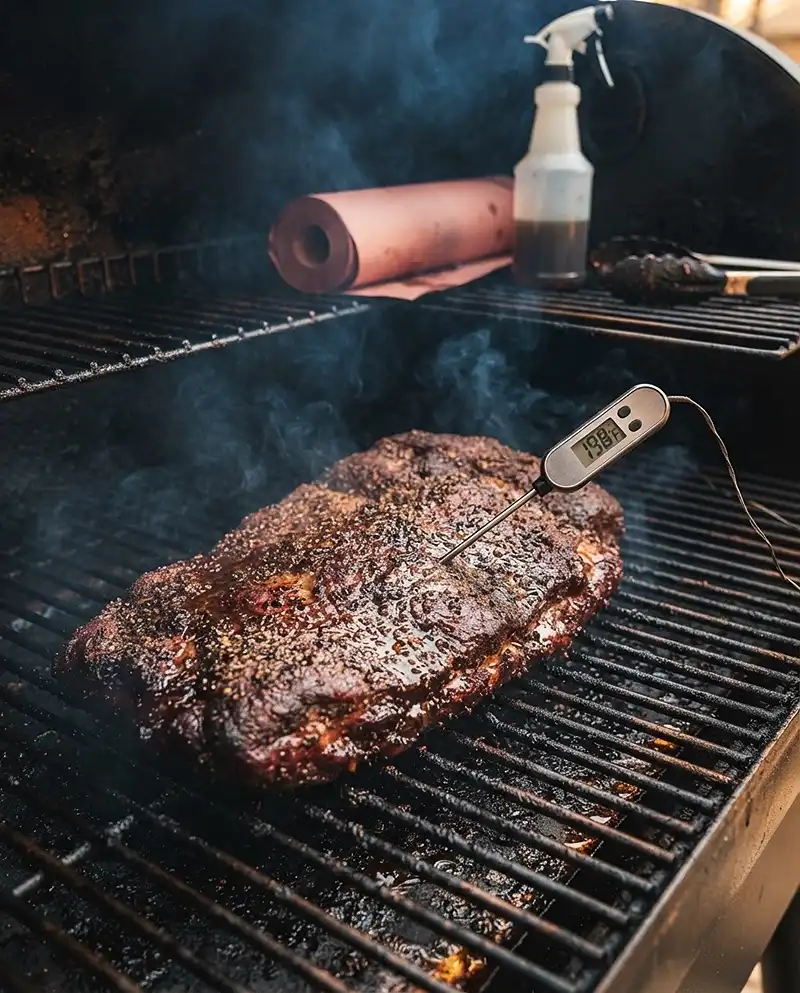
- Push through the stall by wrapping in foil or butcher paper once the bark has set, rather than raising the heat.
- Pull based on probe tenderness, not a fixed number, then rest the whole brisket for at least 30 minutes before slicing.
Pro Tip: The most reliable sign a brisket is done is a probe sliding into the thickest part of the flat with almost no resistance, not a specific internal temperature number.
Here’s the full lineup, six brisket recipes covering everything from weeknight shortcuts to full pitmaster methods.
Traeger Brisket Flat Recipe
This one’s built around a pellet smoker, giving you that steady low heat and real smoke flavor without babysitting a fire all day. It’s the recipe I point people to when they’ve got a Traeger and want an actual bark, not just a slow-cooked roast that happens to taste like beef.
It works best for anyone who already owns a pellet grill and wants a weekend project with a genuinely smoky payoff. Read the full post for the wrap timing that keeps the flat from drying out, since the flat is the leanest part of the brisket and the easiest to overcook.
👉 Full recipe: Traeger Brisket Flat
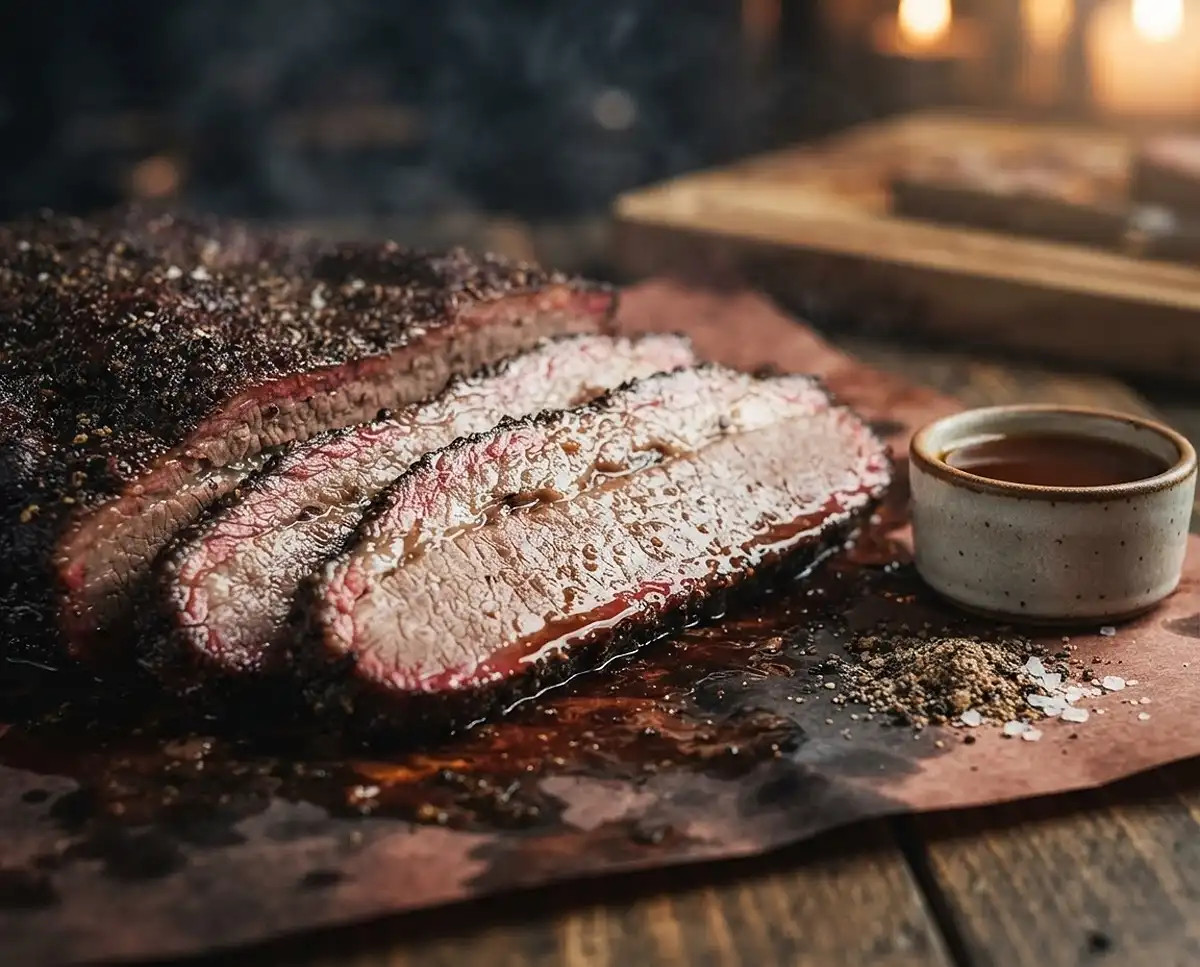
Lipton Onion Soup Brisket Recipe
This is the shortcut version, an oven or slow cooker braise built around a packet of onion soup mix that turns into a deeply savory pan sauce with almost no active effort. It’s the recipe your grandmother probably already knows, and there’s a reason it never left the rotation.
It’s the one to reach for on a weeknight when you want brisket recipes without the all-day commitment of a smoker. The full post walks through the braising liquid ratio that keeps the meat from drying out in a covered pan.
👉 Full recipe: Lipton Onion Soup Brisket
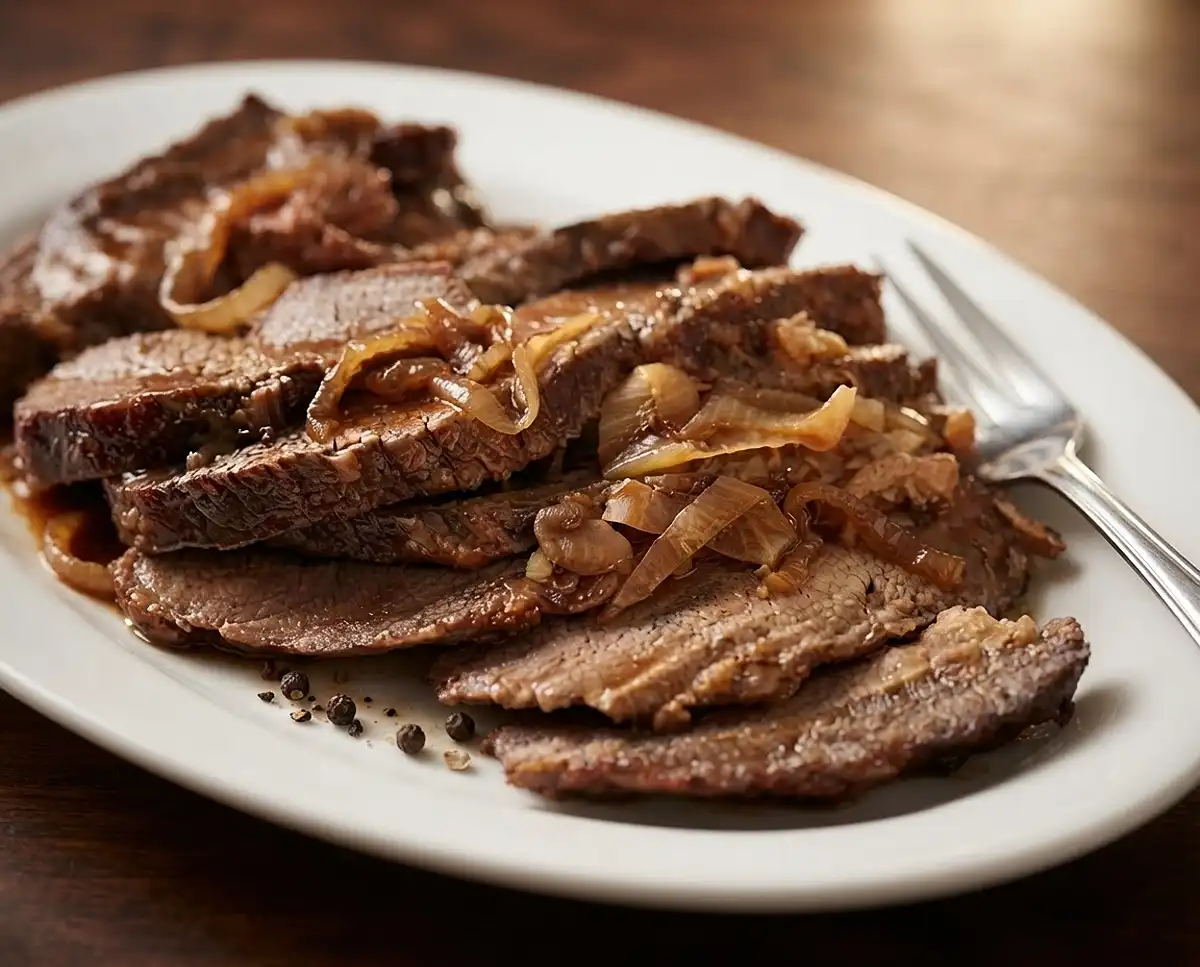
Joan Nathan Brisket Recipe
Rooted in classic Jewish holiday cooking, this version leans on a slow braise with onions, carrots, and a savory-sweet liquid that turns into gravy as it cooks. It’s the kind of brisket that tastes like it’s been made in someone’s family kitchen for decades, because in a lot of cases, it has.
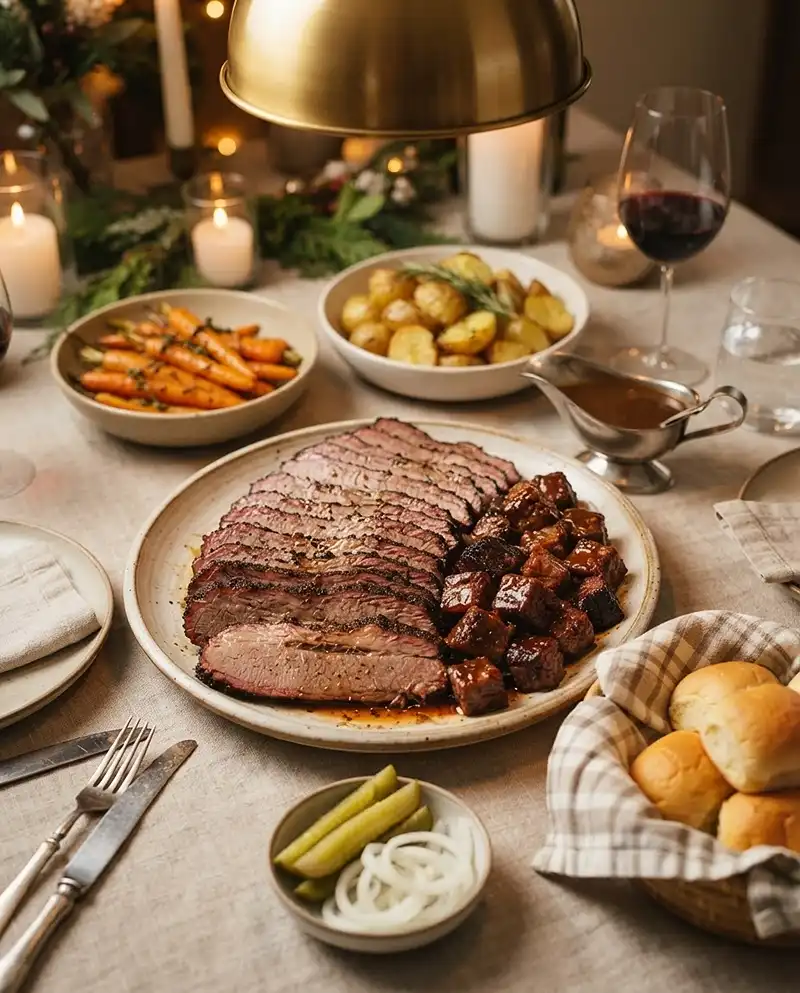
This one’s best for holiday tables and anyone who wants a fork-tender, gravy-forward brisket instead of a smoked, sliceable one. Click through for the make-ahead notes, since this style traditionally improves after a day in the fridge.
👉 Full recipe: Joan Nathan Brisket
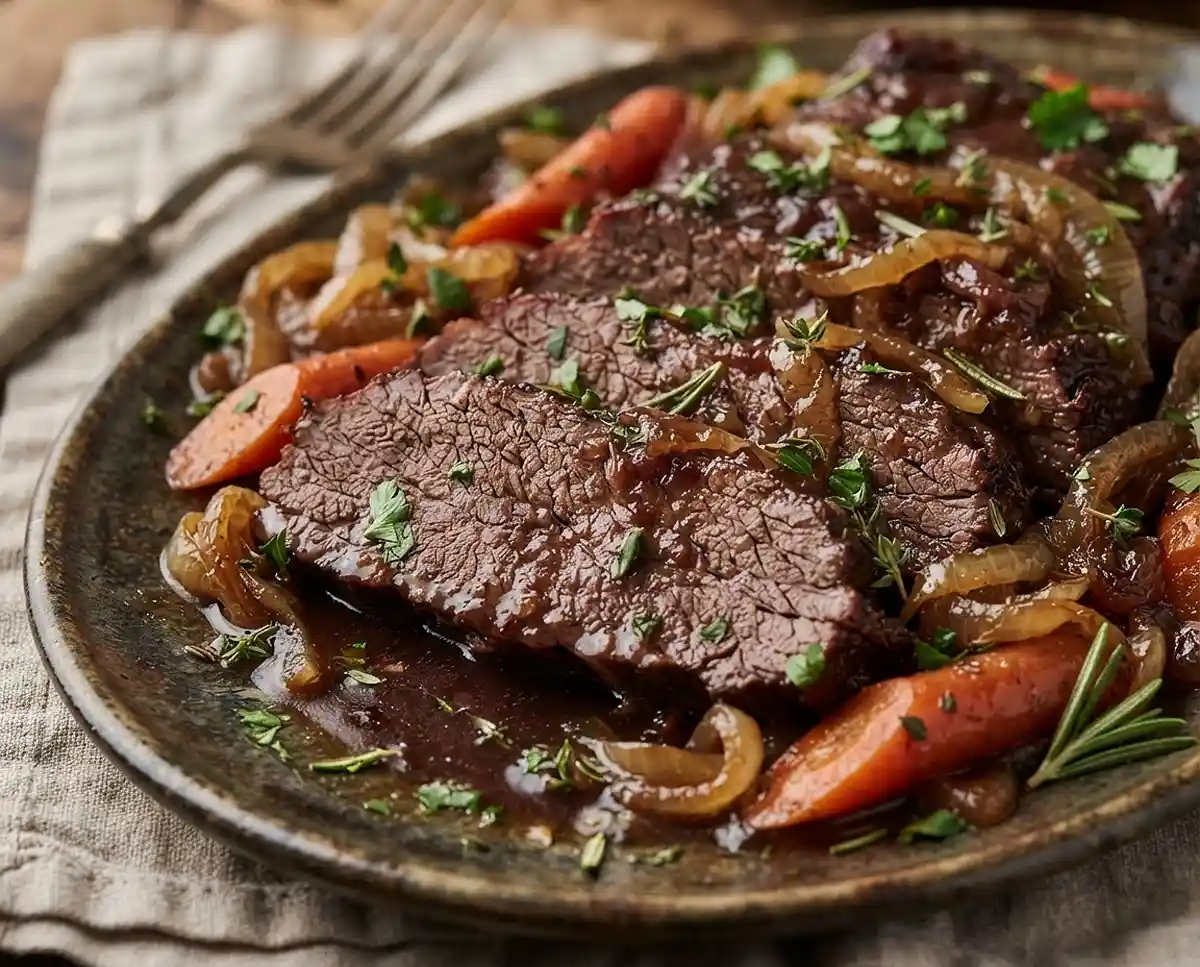
Myron Mixon Brisket Recipe
This one follows a competition pitmaster’s approach, built for a real bark, a defined smoke ring, and the kind of slice that holds together on a cutting board without falling apart. It’s noticeably more technique-driven than the others in this collection.
This is the recipe for anyone ready to move past their first few brisket attempts and start cooking like they’re feeding judges, not just family. The full post breaks down the wrap timing and rest period that separate a good brisket from a competition-level one.
👉 Full recipe: Myron Mixon Brisket
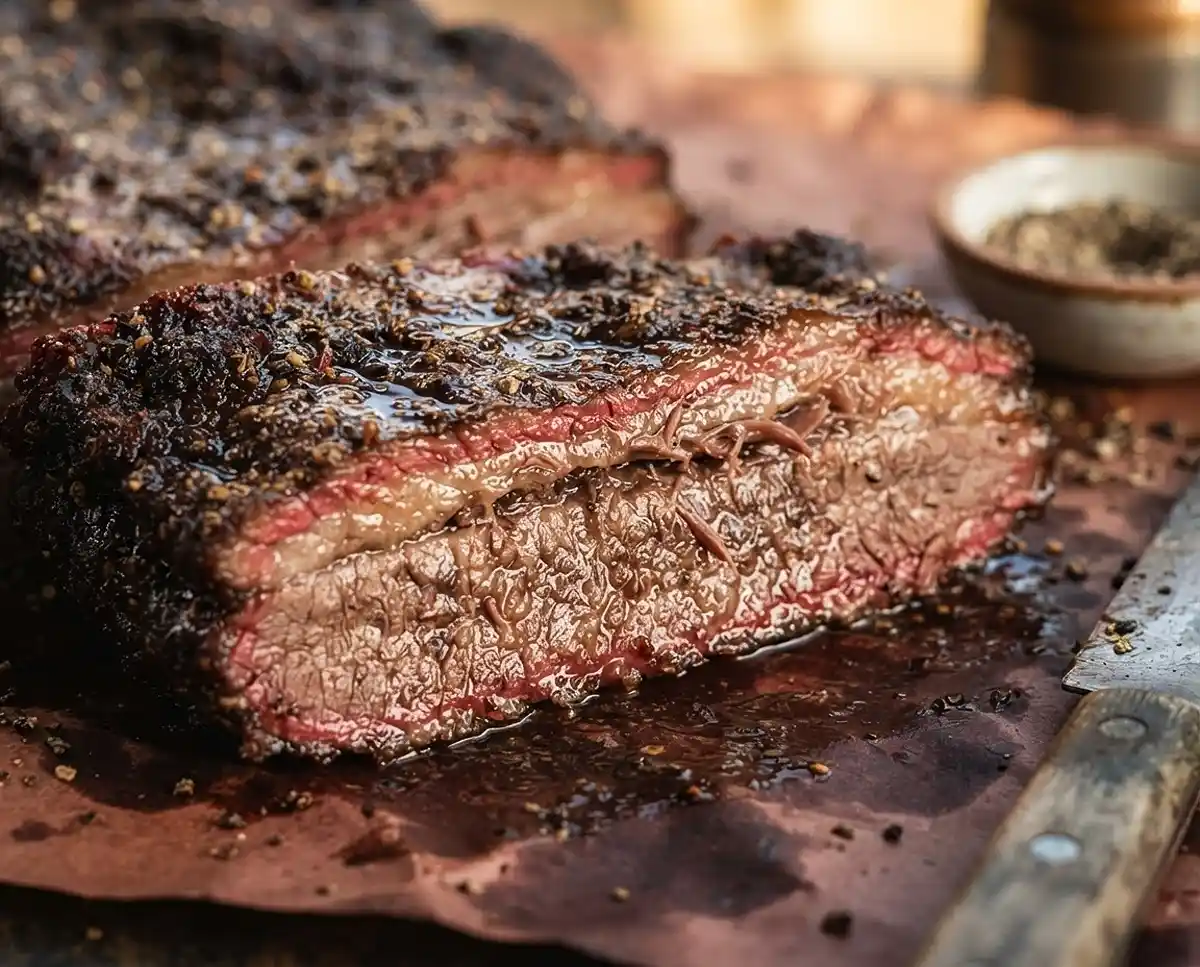
Memaw’s Brisket Recipe
This is the no-fuss family recipe, built around simple pantry ingredients and a low, slow oven cook that fills the whole house with the kind of smell that gets people asking when dinner’s ready. There’s nothing complicated about it, and that’s exactly the point.
It’s best for anyone who wants comfort food over technique, especially first-time brisket cooks who don’t own a smoker. The full post has the exact covered-pan method that makes this nearly impossible to mess up.
👉 Full recipe: Memaw’s Brisket
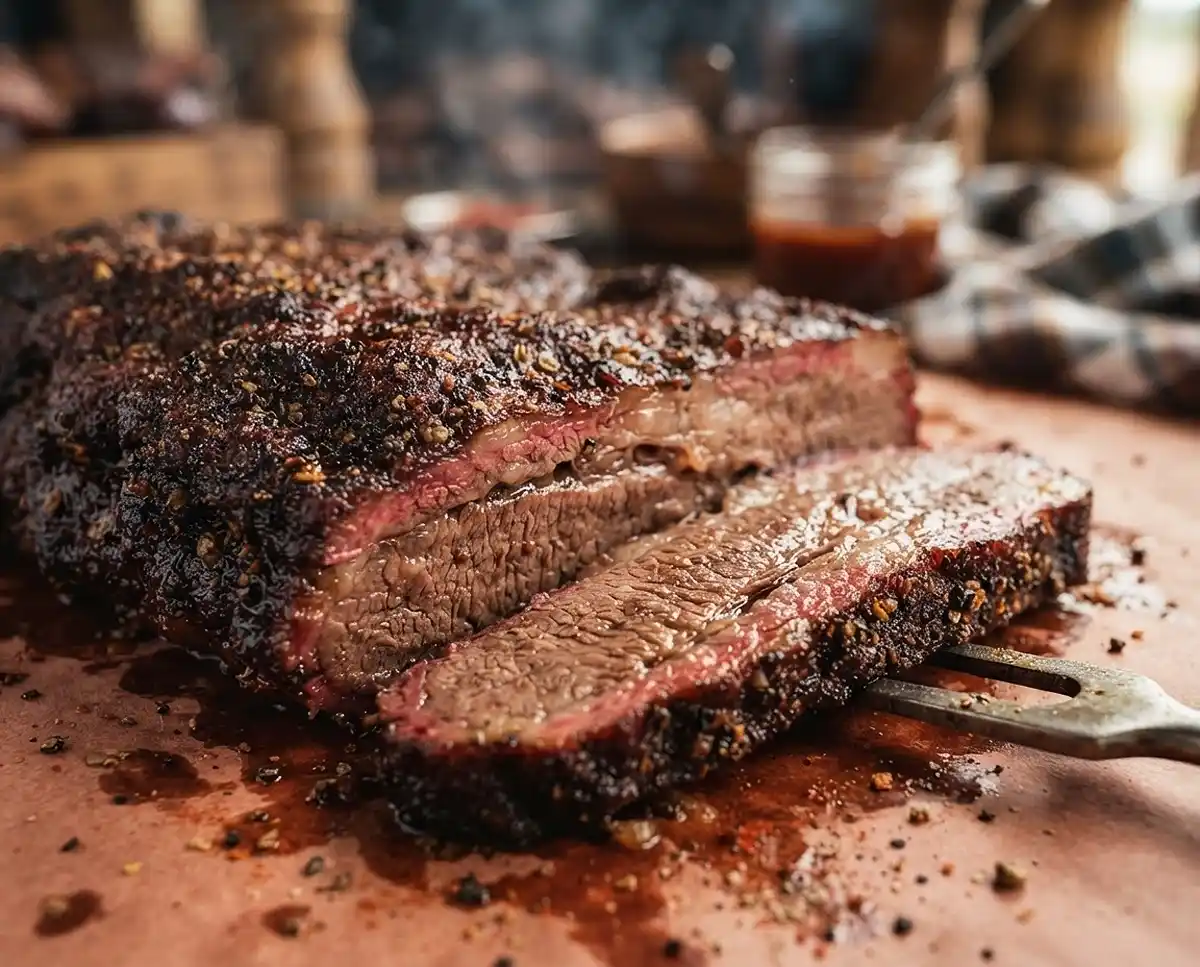
Brisket Spritz Recipe
This isn’t a full brisket recipe, it’s the spray-on liquid that keeps bark from drying out and adds a layer of flavor during a long smoke. Think apple cider vinegar, beef broth, or even coffee, misted on every hour or so once the bark starts to set.
Pair this with any of the smoked recipes above, especially the Traeger or Myron Mixon methods, if you’ve noticed your bark turning dry or dusty by the time the brisket’s done. The full post covers ratios for a few different spritz styles depending on the flavor you’re after.
Honestly, if I had to send a first-timer to just one of these, it’s Memaw’s brisket. It’s forgiving, it’s oven-based, and it teaches the fundamentals without requiring you to own a smoker. Once that one clicks, the Traeger and Myron Mixon recipes make a lot more sense.
Expert Tips & Variations
Pro Tips for Success
The key to a good bark is patience during the first few hours, resist the urge to wrap early just because the color looks done. Let it set fully before covering it in foil or butcher paper.
For best results, use a reliable probe thermometer instead of guessing by touch or time. Brisket recipes vary too much by size and fat content for a clock alone to tell you when it’s ready.
The most common mistake is slicing brisket the wrong direction against the grain fibers, which run differently in the flat and the point. Instead, rotate the brisket 90 degrees where the grain changes and adjust your slicing angle accordingly.
Brisket recipes work best when the meat rests for at least 30 minutes, and ideally an hour, wrapped in a towel inside a cooler before slicing. Cutting too early lets all that rendered fat and juice run straight onto the cutting board instead of staying in the meat.
Listen for it, too: a properly rested brisket makes almost no sound when you press a finger into the bark, just a soft give, while an underdone one still feels tight and springs back.
Smart Variations Across the Collection
Quick Version: The Lipton onion soup method is the fastest route to real brisket flavor, using an oven or slow cooker instead of a full smoker session.
Oven-Only Version: Both Memaw’s brisket and the Joan Nathan recipe prove you don’t need a smoker at all, a covered roasting pan and low oven heat get you most of the way there.
Competition-Style Version: The Myron Mixon method is the one to study if you want bark, smoke ring, and presentation that goes beyond weeknight cooking.
Troubleshooting Common Problems
Problem: The brisket stalls for hours and the internal temperature stops climbing. Solution: This is moisture evaporating off the surface, not a stuck cook. Wrap it in foil or butcher paper to push through, rather than cranking the heat.
Problem: The finished brisket is dry, especially in the flat. Solution: It was likely trimmed too closely or sliced before resting long enough. Leave more fat cap next time and rest for a full hour before cutting.
Problem: The bark turns soft or rubbery under wrap. Solution: Vent the wrap slightly during the last stretch of cooking, or unwrap for the final 30 to 45 minutes to let the surface firm back up.
How to Store and Reheat Brisket
| Storage Method | Duration | Best Practice |
|---|---|---|
| Room Temperature | Up to 2 hours | Cover loosely and don’t leave it out longer than that, even wrapped brisket loses safety margin fast at room temp. |
| Refrigerator | 3 to 4 days | Store in an airtight container with any leftover juices to keep the meat from drying out. |
| Freezer | 2 to 3 months | Vacuum seal or wrap tightly in foil, then a freezer bag, to prevent freezer burn on the exposed edges. |
Reheat gently, low oven heat around 250°F with a splash of broth and a foil cover works better than a microwave, which tends to turn brisket rubbery fast. You’re looking for the meat to steam slightly and feel warm all the way through, not seared or crisped on the edges.
Leftover brisket is honestly one of the best parts. Chop it into tacos, fold it into a hash with potatoes, or pile it onto a sandwich with barbecue sauce and pickles for a completely different meal than the one you started with.
Frequently Asked Questions
What exactly is brisket, and why does it need to cook so long?
Brisket comes from the cow’s chest and gets heavy daily use, which makes it full of tough connective tissue. Low, slow cooking over several hours breaks that tissue down into gelatin, which is what makes a finished brisket tender instead of chewy.
Which brisket recipe in this collection should I try first?
If you don’t own a smoker, start with Memaw’s brisket or the Joan Nathan recipe, both use an oven and are forgiving for first attempts. If you have a pellet smoker, the Traeger brisket flat is the better starting point.
How do I know when brisket is actually done?
Use a probe thermometer and check for tenderness, not just a temperature number. The probe should slide into the thickest part of the flat with almost no resistance, which usually happens somewhere between 200°F and 205°F, but tenderness matters more than the exact number.
Can I make brisket ahead of time for a holiday or big gathering?
Yes, and it’s actually recommended. Cook the brisket a day ahead, cool it, slice it cold for cleaner cuts, then reheat gently in its own juices with a foil cover before serving.
What can I use if a recipe calls for a smoker and I don’t have one?
A covered roasting pan in a low oven, around 275°F, gets you most of the way to a tender brisket, just without the smoke flavor. Adding a spoonful of smoked paprika or a few drops of liquid smoke to the rub can help bridge that gap.
Ready to Pick Your Brisket?
Seriously, you’ve now got six brisket recipes covering everything from a five-minute pantry braise to a full pitmaster method, so there’s no excuse not to get one going this weekend. Save this whole guide to Pinterest so you can come back to it every time you’re deciding which method fits your day.
I mean it when I say the Traeger flat and the Myron Mixon recipe changed how I think about bark, but Memaw’s is still what I make when I just want dinner on the table. Drop a comment and tell me which one you’re trying first.
For more food safety background on cooking temperatures for beef, the USDA’s safe minimum internal temperature chart is worth bookmarking. And for a deeper look at low-and-slow barbecue temperatures specifically.
Six brisket recipes, one bark-covered obsession. From a quick Lipton onion soup braise to a Myron Mixon competition method, save this guide and pick your first cook this weekend.